



Providence’s underground infrastructure sits at the head of Narragansett Bay, where tidal influence reaches deep into the city’s oldest neighborhoods. Narragansett Bay Commission has spent decades managing combined sewer overflow control through its long-running tunnel program, and colonial-era street layouts keep complicating every phase of that work.
For engineers and contractors handling sewer rehabilitation across Providence, inflow and infiltration (I&I) has stayed central to NBC’s consent decree obligations with the EPA. Recent coastal storm events and rising tidal gauge readings at the head of the bay have kept pressure on a wastewater collection system built centuries before anyone planned for this much tidal reach.
Old Streets, Old Pipe, and a Rising Tide
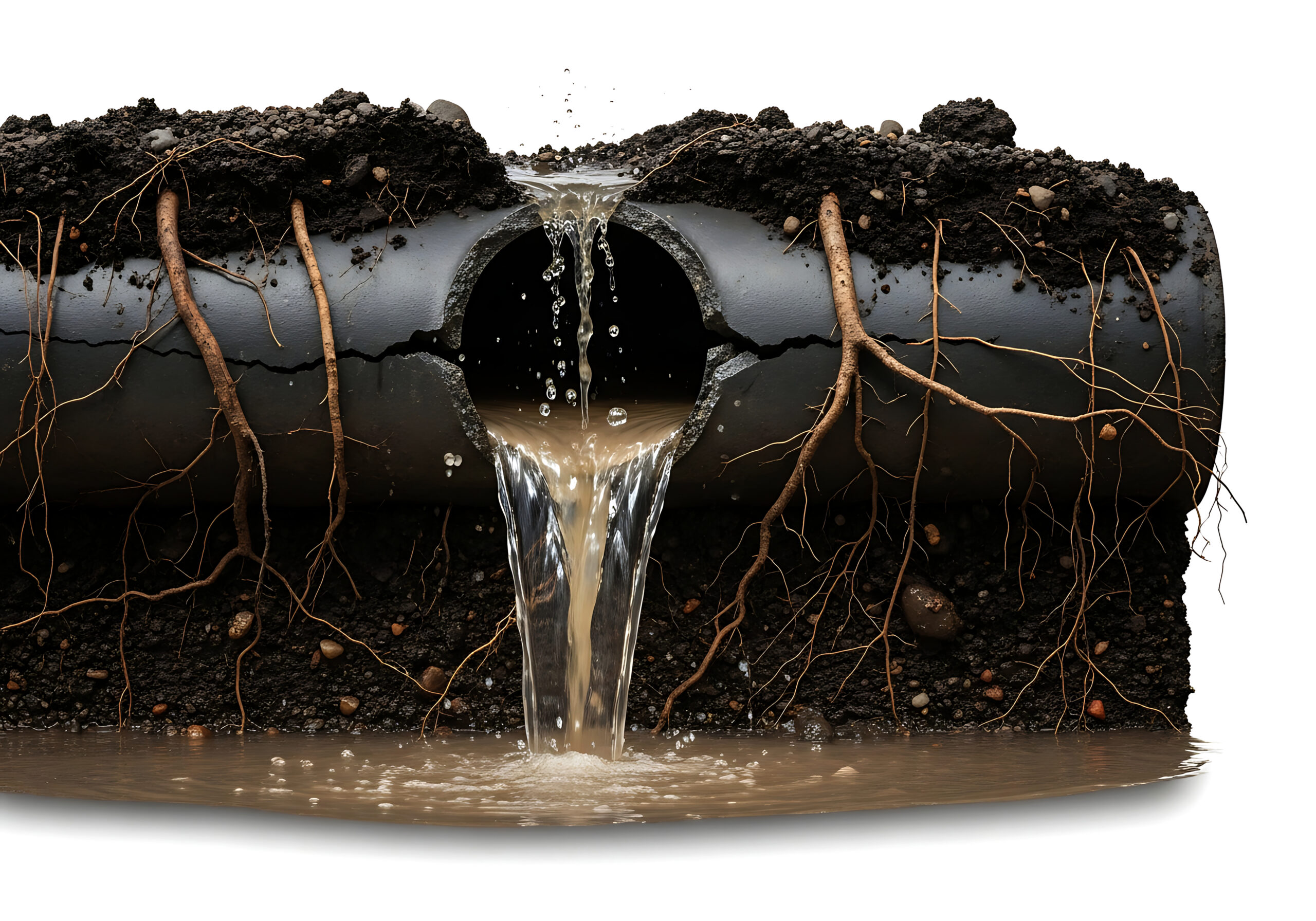
Cracked or broken pipes, leaking pipe joints, and deteriorated manhole walls and joints give groundwater a path into the sanitary sewer system. Sewer inflow rides in separately, through roof drains, yard drains, and surface connections tied straight into the line.
Tidal reach that pushes brackish groundwater deep into a city’s oldest, lowest-lying districts makes both problems worse. Providence’s combined sewer areas near the waterfront still route stormwater and sewage through the same aging pipe, and a wastewater collection system already carrying excess flow has little margin left once a coastal storm coincides with a high tide.
Why Colonial Foundations Complicate the Fix
Providence contractors rely on cured-in-place pipe (CIPP) to renew a deteriorated sewer main without tearing up narrow, historic streets in neighborhoods like Federal Hill and College Hill, and the trunk line typically comes through structurally sound. What sits beneath those colonial-era street layouts is a different matter.
Centuries of settling and patchwork construction have left laterals and connections in Providence’s oldest districts more vulnerable than the mains that serve them, so a sewer main lined but infiltration persists is a pattern NBC crews document often once they check what’s happening beneath narrow, colonial-plotted streets. A joint that held for generations can separate once tidal groundwater pressure builds against it.
Common infiltration sources across Providence include:
- Deteriorated sewer laterals beneath older Federal Hill and College Hill properties
- Failed main-to-lateral connections stressed by centuries of settling
- Cracked host pipe near Narragansett Bay and Providence River corridors
- Deteriorated manhole walls and joints in waterfront combined sewer districts
- Root intrusion in sewer pipes throughout Providence’s historic tree-lined streets
Confirming the Source at the Head of the Bay
A single inspection pass tells engineers little in a city where tidal groundwater pressure changes with the bay. CCTV inspection and flow monitoring for I&I, combined with smoke testing and flow monitoring for source identification, is what actually confirms whether a leak sits at the main, the lateral, the connection, or the structure.
Once confirmed, the fix follows the finding: mainline CIPP for structural trunk-line deterioration, cured-in-place pipe lateral lining for a compromised service line, main-to-lateral connection rehabilitation where tidal pressure has separated a joint, manhole rehabilitation for a structure cracked by centuries of settling, and injection grouting for a small, active, localized leak.
Why This Matters for Municipal Sewer Budgets
The cost of pumping and treating unwanted groundwater keeps climbing as NBC works through its consent decree obligations at the head of a bay experiencing measurable tidal rise. Sewer overflows during heavy rain carry real regulatory consequences, and excess flow at pump stations and treatment plants strains a system that already has to protect Narragansett Bay water quality during every storm event.
Wastewater utility capacity management in Providence depends on treating the network as one connected system, not a patchwork of colonial-era fixes. Specifying CIPP for municipal sewer projects handles the mainline, but rehabilitating public and private sewer laterals, connections, and manholes alongside it is what actually reduces wet-weather flows across a city this shaped by tidal reach and historic construction.
Providence’s tidal exposure isn’t going away. An I&I reduction program for municipalities here has to account for water pressure building from the bay, not just water falling from the sky.
Find a WRT-certified installer serving the Providence and Narragansett Bay area to assess your collection system’s full scope of I&I sources.